Fleet Operations Optimization for a Goods Transportation Operator
Turning operational inefficiencies into a smarter, fully transparent fleet ecosystem.
Overview
A regional goods transportation operator managing a 100+ vehicle fleet was experiencing operational inefficiencies, rising fuel costs, and low visibility across daily trips. Manual coordination and inconsistent driving behavior made it difficult to maintain delivery timelines and scale operations effectively. The company partnered with Datayaan to deploy Yaantrac, transforming their fleet into a transparent, data-driven ecosystem.
The Challenge
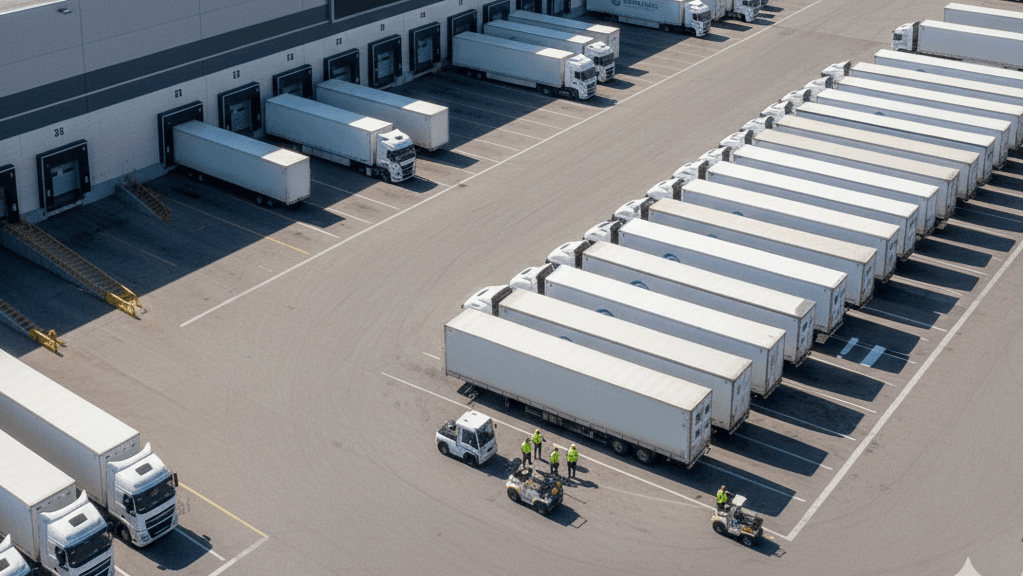
Operations relied heavily on driver phone calls to confirm location updates, delays, and delivery completion. This slowed down decision-making and caused frequent miscommunication between drivers, dispatch teams, and supervisors. Vehicles spent long durations idling at loading points or deviating from assigned routes, increasing fuel usage and overall operating expenses.
Management had no way to detect over speeding, harsh braking, unauthorized stops, or unsafe driving patterns, increasing risk, wear and tear, and compliance issues. Breakdowns and mechanical issues were reported only when drivers noticed them, resulting in unplanned downtime and delayed deliveries. With no historical trip records, utilization data, or performance scorecards, the company could not measure efficiency or identify areas for improvement.
The Solution
Datayaan deployed Yaantrac across all 100+ vehicles, integrating AI-enabled telematics, real-time monitoring, and predictive analytics. Live GPS and telematics provided complete visibility of every vehicle’s movement, stoppages, and route progress. Yaantrac monitored fuel levels, idle hotspots, and engine performance, helping detect misuse and inefficiencies.
The platform captured over speeding, harsh braking, route deviations, and unsafe driving events, generating driver scorecards for coaching and corrective action. Unauthorized stops and deviations triggered instant alerts, improving discipline and accountability. Engine diagnostics and automated service reminders reduced the dependency on manual reporting and prevented breakdowns. Daily dashboards highlighted trip efficiency, idle time patterns, vehicle productivity, driver performance trends, and route optimization insights.
Impact
31% Reduction in Fuel Wastage
26% Increase in On-Time Deliveries
18% Reduction in Vehicle Downtime
42% Improvement in Operational Transparency
Improved Driver Accountability
60% Drop in Manual Coordination
Outcome
The transportation operator successfully transitioned from reactive fleet management to a data-driven, efficient, and scalable fleet ecosystem that supports long-term growth.